EYFS
EYFS Leader: Miss Georgia Thornley
Early Years Foundation Stage (EYFS)
At Lever House Primary School, children in Reception follow the Early Years Foundation Stage (EYFS) Statutory Framework. This framework sets out the standards that schools must follow to support children's learning, development, health and safety.
Children develop skills, gain new knowledge and demonstrate their understanding through seven areas of learning and development.
The Seven Areas of Learning
There are three prime areas of learning, which are particularly important for children's early development and provide the foundations for future learning:
- Communication and Language
- Physical Development
- Personal, Social and Emotional Development
As children grow and develop, these prime areas support their learning across four specific areas:
- Literacy
- Mathematics
- Understanding the World
- Expressive Arts and Design
Together, these seven areas form the basis of our curriculum. Staff plan engaging activities and experiences that respond to each child's individual needs, interests and stage of development.
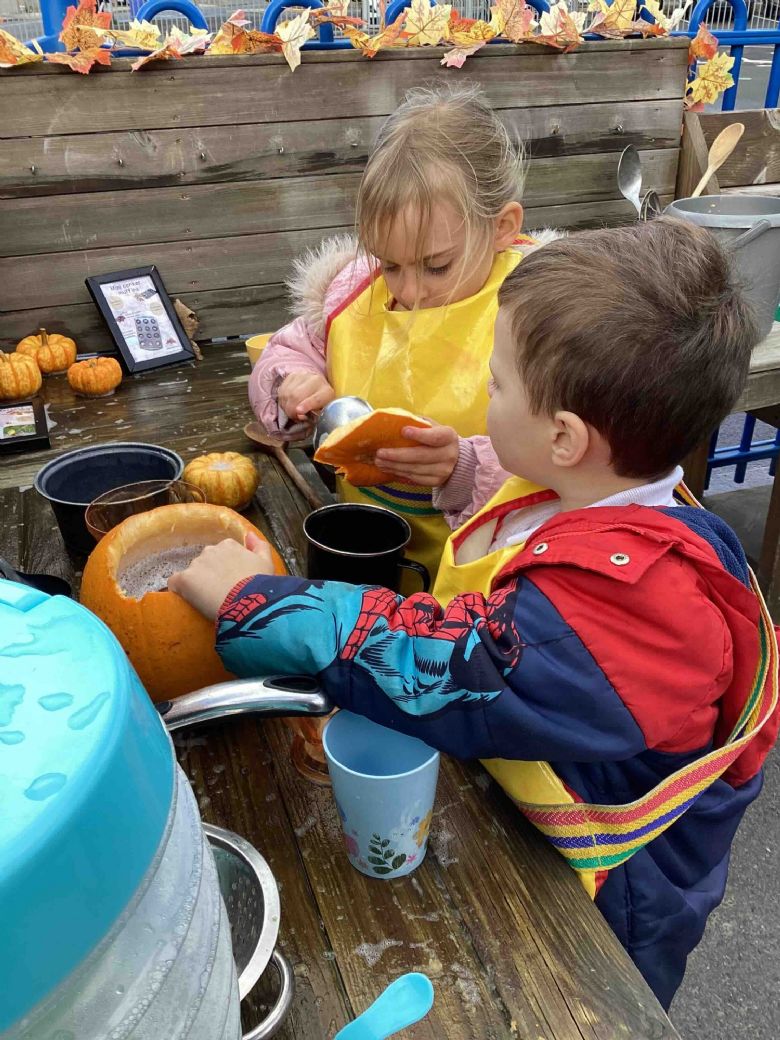
Children learn through play and exploration, physical activity, and creative and critical thinking. These experiences take place both indoors and outdoors, helping children develop confidence, independence and a lifelong love of learning.
Our Learning Environment
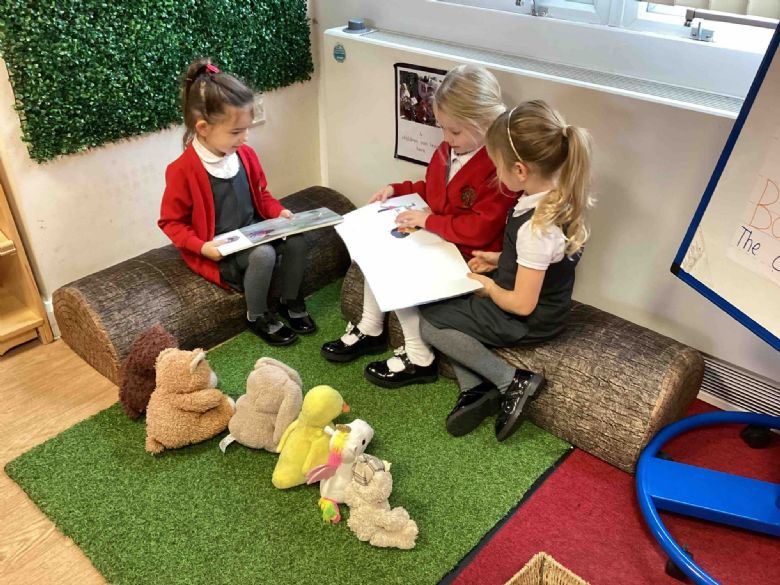
Our EYFS provision is organised as one large unit with two class groups within the classroom. The learning environment is carefully arranged to encourage children to become confident, motivated and independent learners.
Clearly defined learning areas offer a wide range of equipment and resources, allowing children to explore, make choices and develop their skills through purposeful play and practical experiences.
Children also have access to our own outdoor learning area throughout the day. In addition, we are fortunate to have access to Forest School, which children visit every other week.
Outdoor learning provides valuable opportunities for children to explore their surroundings, use their senses, develop physical skills and build confidence. It also encourages curiosity, cooperation, communication and positive relationships with others.
Learning Through Children's Interests
Our EYFS staff plan a broad and balanced curriculum to ensure that all children develop the knowledge and skills they need. Alongside this planned learning, we value children's interests, ideas and curiosity, using these to enhance their play and extend their learning.
Staff observe and respond to children's interests, providing opportunities to explore their ideas, develop their thinking and build on their existing knowledge and skills. Through this approach, we aim to make learning engaging, meaningful and purposeful, while ensuring that all children continue to access a rich and ambitious curriculum.
Throughout the EYFS, we encourage children to become increasingly independent, take responsibility for their belongings and understand the importance of making positive choices.
Personal, Social and Emotional Development
Developing positive relationships, understanding feelings and learning to respect others are important parts of everyday life in our EYFS.
We support children in recognising and talking about their own feelings, understanding the feelings of others and developing the confidence to build positive relationships. Through everyday interactions, play, discussion and the use of the 1decision programme, children learn about making positive choices, managing their emotions, taking turns and treating others with kindness and respect.
Assessment and Reporting
Throughout Reception, staff observe children as they play, explore and take part in everyday learning experiences. These observations help staff understand what each child knows and can do, identify next steps and plan learning opportunities that support their individual development.
During the summer term, we complete the Early Years Foundation Stage Profile (EYFSP). This statutory assessment considers children's development against the Early Learning Goals at the end of the EYFS.
Parents and carers receive their child's EYFS Profile results and are offered the opportunity to discuss their child's progress and development with the teacher. This information also helps support a smooth transition into Year 1.
We value the partnership between school and home and recognise the important role that parents and carers play in supporting children's learning, wellbeing and development.